Perhentian Kecil. If you are anywhere near Malaysia, you need to go here. It’s a remote island. One side is private and untouched. The other is full of tourists. I went where it was private.
Source: Perhentian Island
Perhentian Kecil. If you are anywhere near Malaysia, you need to go here. It’s a remote island. One side is private and untouched. The other is full of tourists. I went where it was private.
Source: Perhentian Island
When we plunged into the jungle without a path to follow, I knew I had found my people. The type of people who say we haven’t hiked enough after four hours. The kind who say just one more hill, but you said that the last time, but this hill is not big, so it doesn’t count. The kind of people who don’t fuss on a hike. My kind.
Since I returned to KL last month after selling my house, I have been restless and determined to find something to capture me. My search has led me to an Indian meditation group called Isha, in Brickfields, the Indian section of KL. This was my second time there, and I plan on doing a retreat with them in July.
My second venture was with Internations, an expatriate group, for a “trip to the countryside.” For some reason, I thought that this meant a hike through some rice paddy fields. It turned out to be closer to a trip to the Twilight Zone. It was one of the many experiences I have had that confirms my usual disconnect with the world. After an hour and a half drive Northwest of KL, we arrived at a giant Burger King in a strip mall, full of garbage, durian, open markets, and wafts of everything from India to a mechanic’s garage. We wallowed there in the air conditioning (which I love more than anything) until the rest of the group arrived one-half an hour later. Then we caravanned off to I did not know where. Even though everyone speaks English in Malaysia, if I am not astute, it is easy to miss things like where I am headed, what I’m doing and why. I learned we were going on a tour of a rice processing factory in the middle of a giant rice paddy. 
It was everything that you would expect a rice processing factory tourist trap to be. It started with a video about processing rice that reminded me of a video I might watch in a seventh-grade social studies class (a video from the late 60s). From there we saw the rice plant through glass windows, kind of like the Ben and Jerry’s plant without the ice cream. After we passed through the rice processing plant museum, we landed in a giant tourist trap of a room, where people bought fish rice cakes, rice wine, rice noodles, and a concoction of corn, beans, and rice syrup over ice, and rice. We also got to see people make big blocks of rice and nut granola bars held together by something ricey.

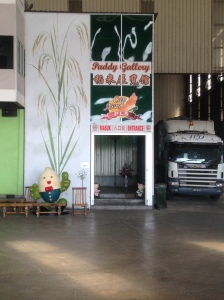
I assumed I had signed up for the wrong trip and continued on my way to a tacky new Buddhist temple, where some people tried durian (which is something you do not want to try unless you enjoy fruit that tastes like shit). Some people bought paper prayers to burn in a miniature incinerator/prayer burner. One woman bought an entire batch of prayer sticks, lit them all on fire, and practically started a fire. How could she have known only to light one?
With that behind us, we piled into respective carpools and drove to a place that smelled like dead fish and sewer. We pulled over and stood by the side of the road.  We milled about looking at fishing boats, and at birds that slept in the palm trees. After milling about some more, I asked if perhaps there was a beach I could walk to. There was a beach, and that was the next stop.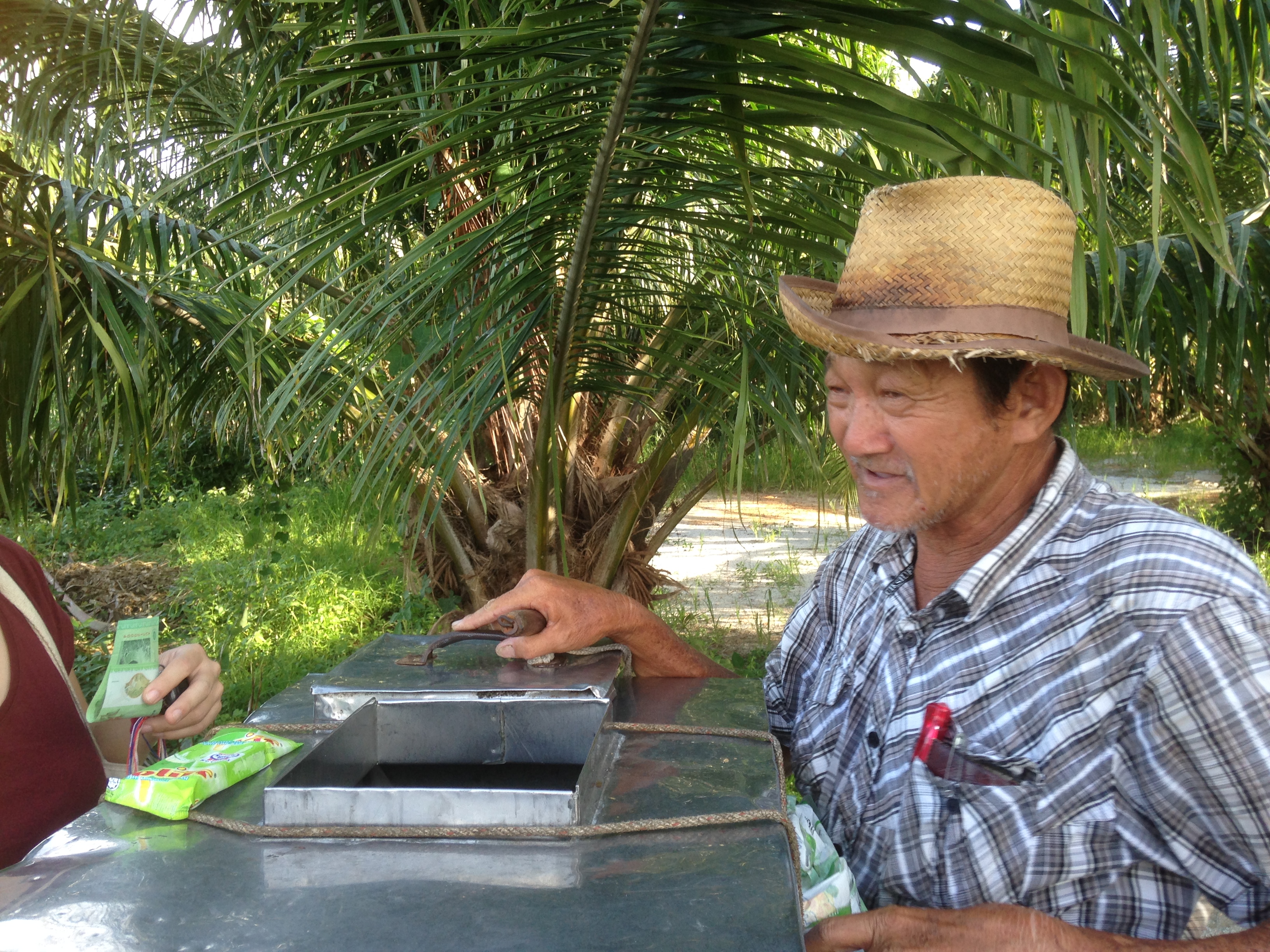

As we piled out of the cars one last time, the intensity of the fish and shit smell had increased tenfold. The beach was a small patch of garbage strewn sand, enclosed by a breakwater on one side and a giant brush fire with flames about 10 feet high on the other. That was the nice part. People selling cheap knock offs occupied the rest of the beach area. There was a woman dressed in a minion suit playing a loud recording in Chinese repeatedly for the entire time we were there. 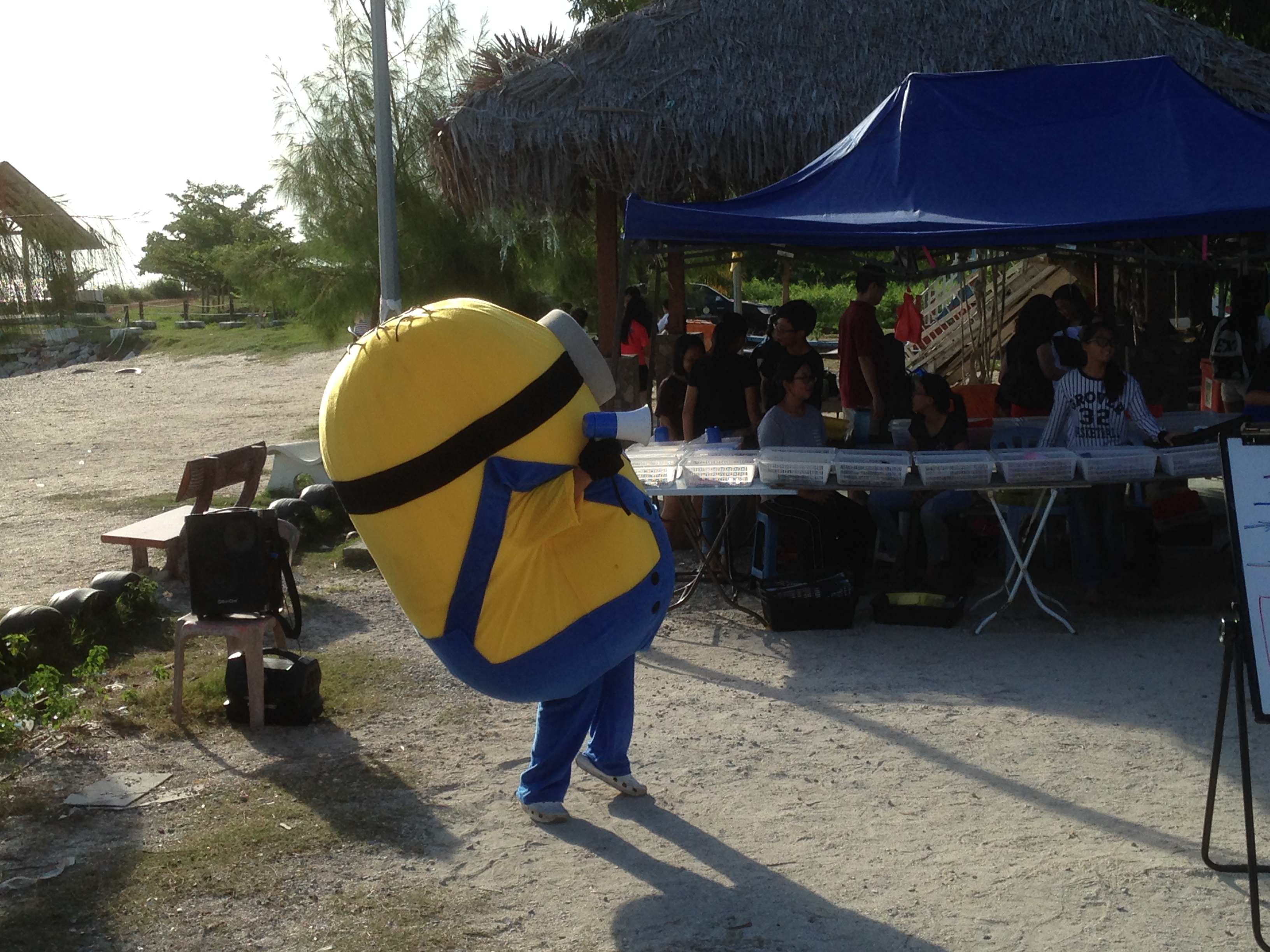 I stood on the breakwater trying to catch some relief from the intense heat and watched the fishing boats putter toward the fish factory to drop off their daily catch.
I walked over to check out the fire. Some dudes asked to take my picture, and I said yes as long as I could take theirs. 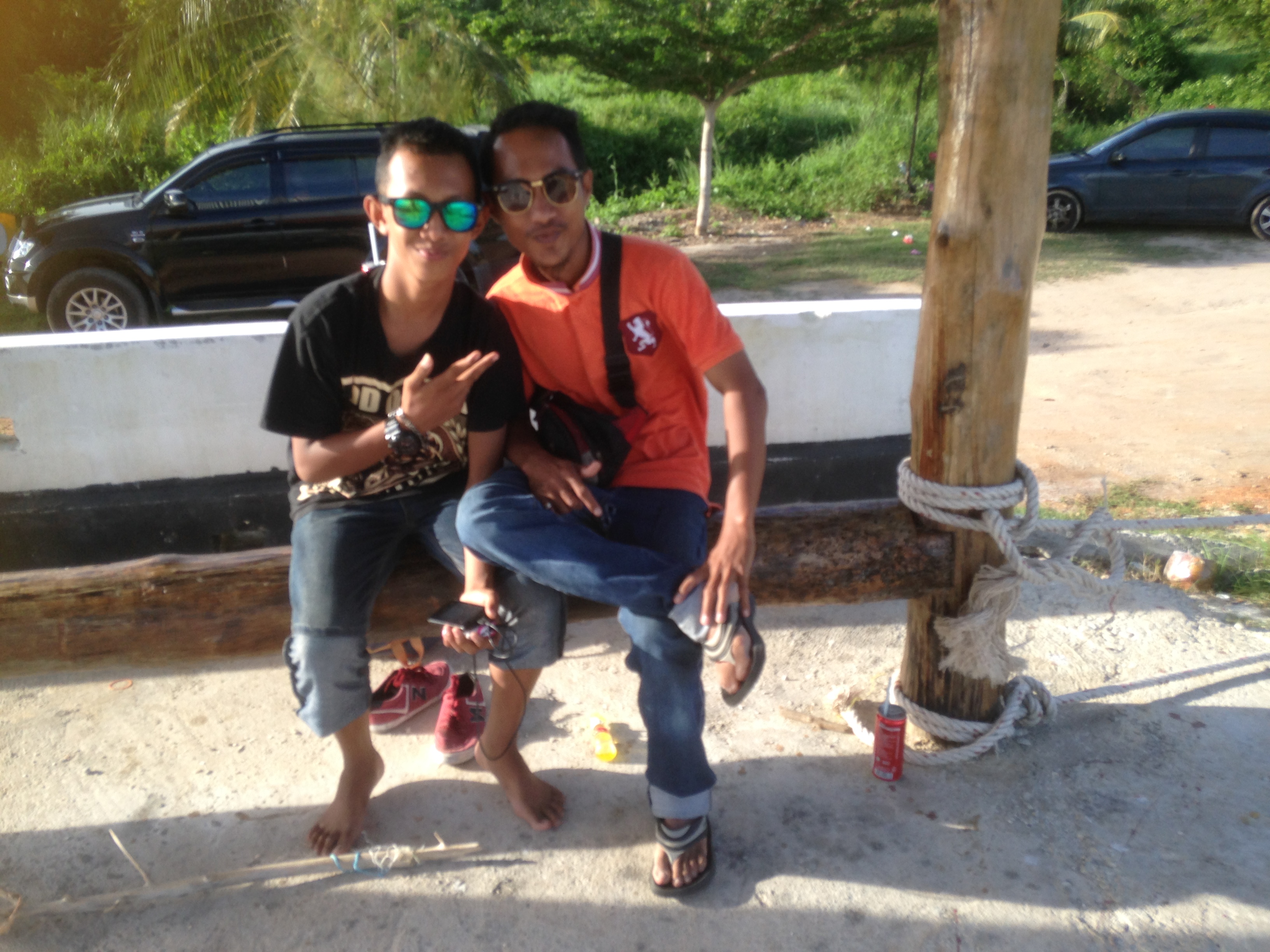 Then I sought some cool-looking Australians to help me cuss out all of this. Yes, indeed this was happening, and it was, most certainly, bizarre.
Meanwhile, the smell was so intense that I had to hold my nose. Americans are few and far between in this land, especially when the ones who dress in hiking gear and hold their noses on excursions to rice processing plants and fishing villages with a minion belting out songs in Chinese. I do not know who made the bigger spectacle, me or the minion. Finally, we went to a fish restaurant to eat fresh fish. I sought out the Australians again to regain my equilibrium and ended up laughing with a lot of others who shared the Twilight Zone experience with me. Regardless, I was happy to get home that night and put that experience behind me.
Not willing to let that experience deter me from my quest for adventure, I signed up for another Internations experience the following weekend, which really was a hike. We met at Bangsar and drove about 30 minutes north of the city with many people from all over the world. Some people had shared the Twilight Zone experience with me the week before. This hike was a delightful experience, despite the trash, which seems to be a part of nature here. Wherever you find “toilets” and tourist trinket stalls, you will find massive amounts of trash. This is true of every journey I have taken in Asia so far.

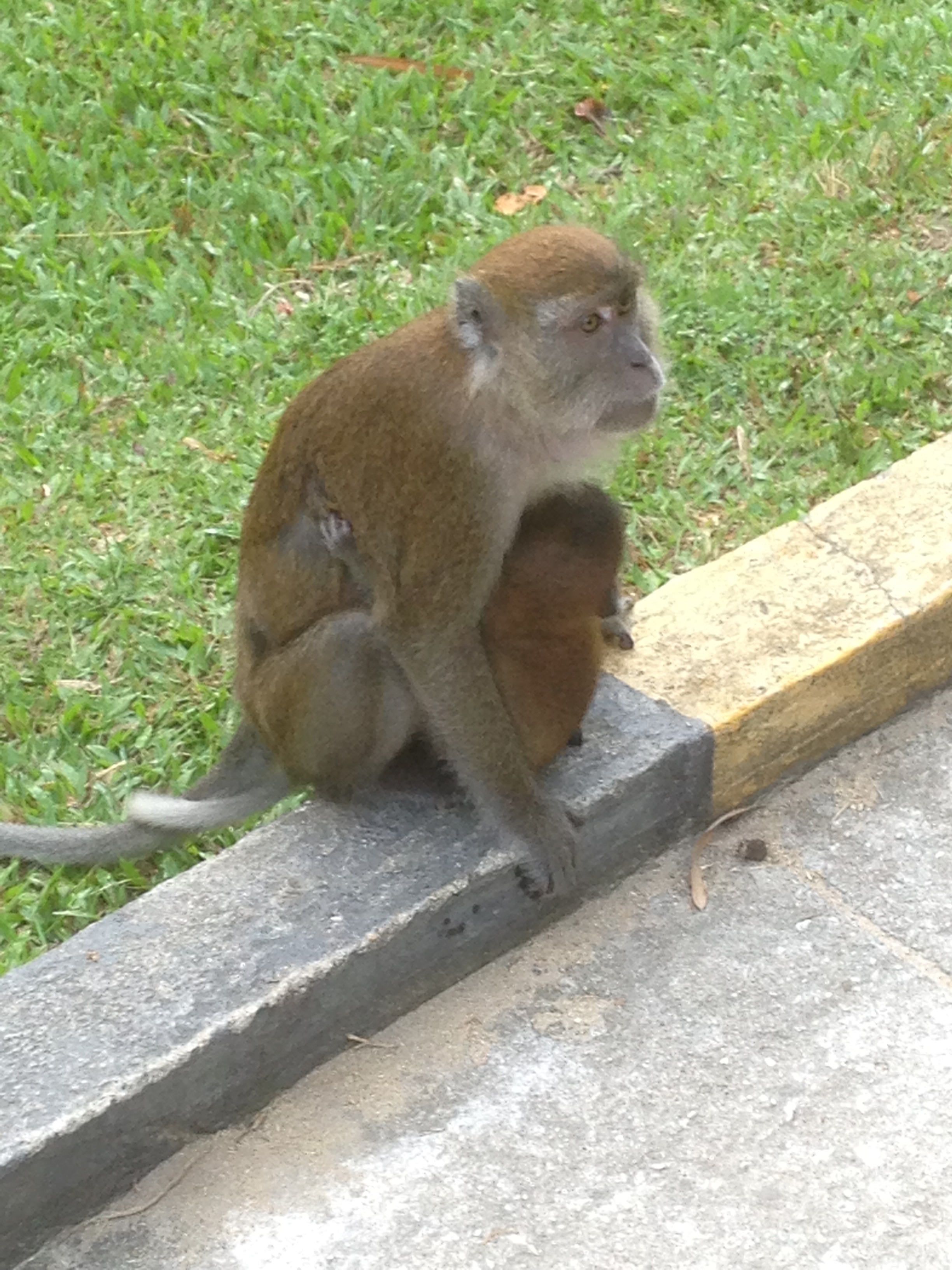
We climbed along a waterfall until we reached its source. It was a steep climb, and once we reached the top, we wallowed in the cool spring mineral water, that almost seemed clean enough to drink, but I abstained. This was a successful trip. One that I would do again with the same people.

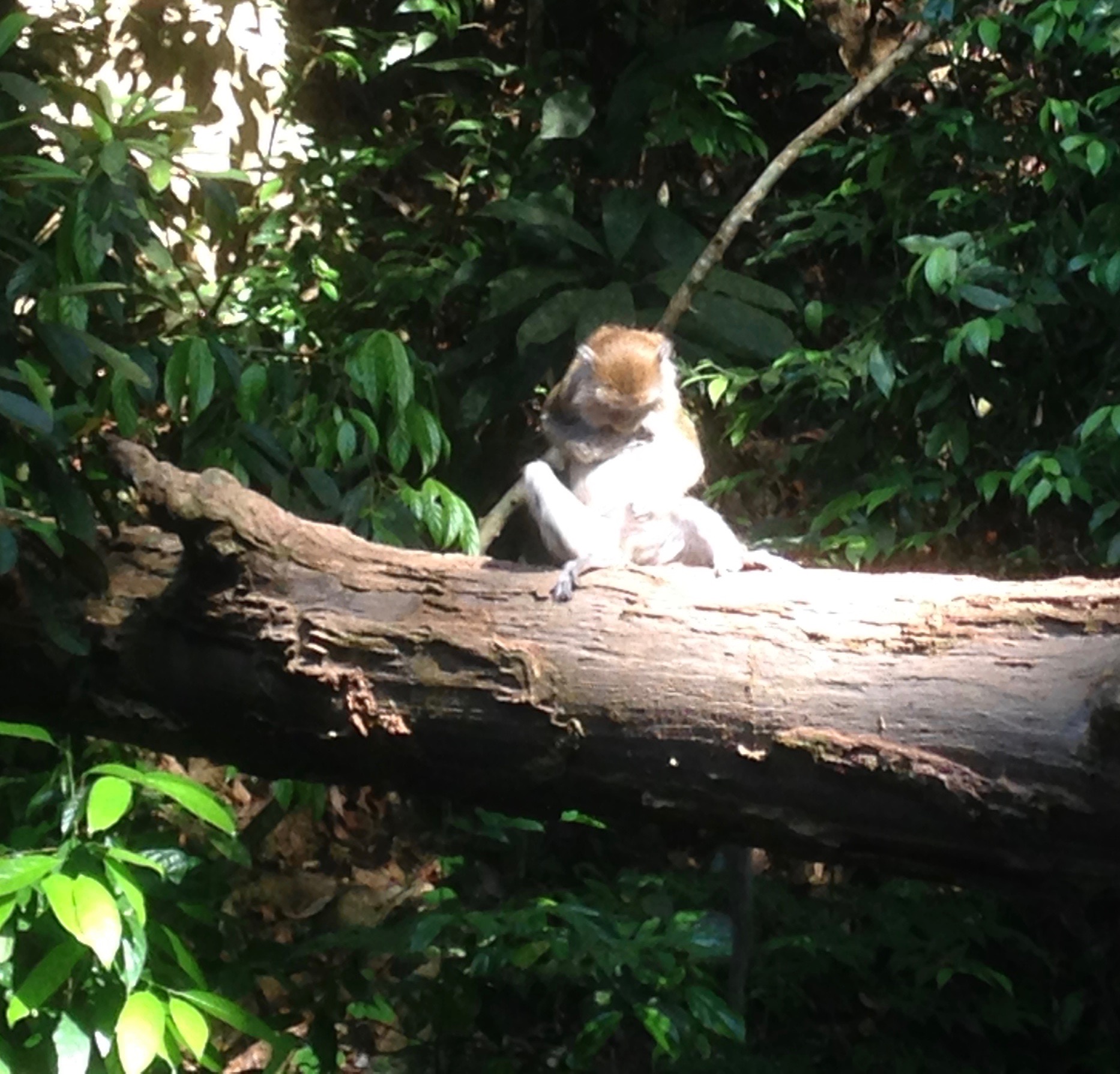
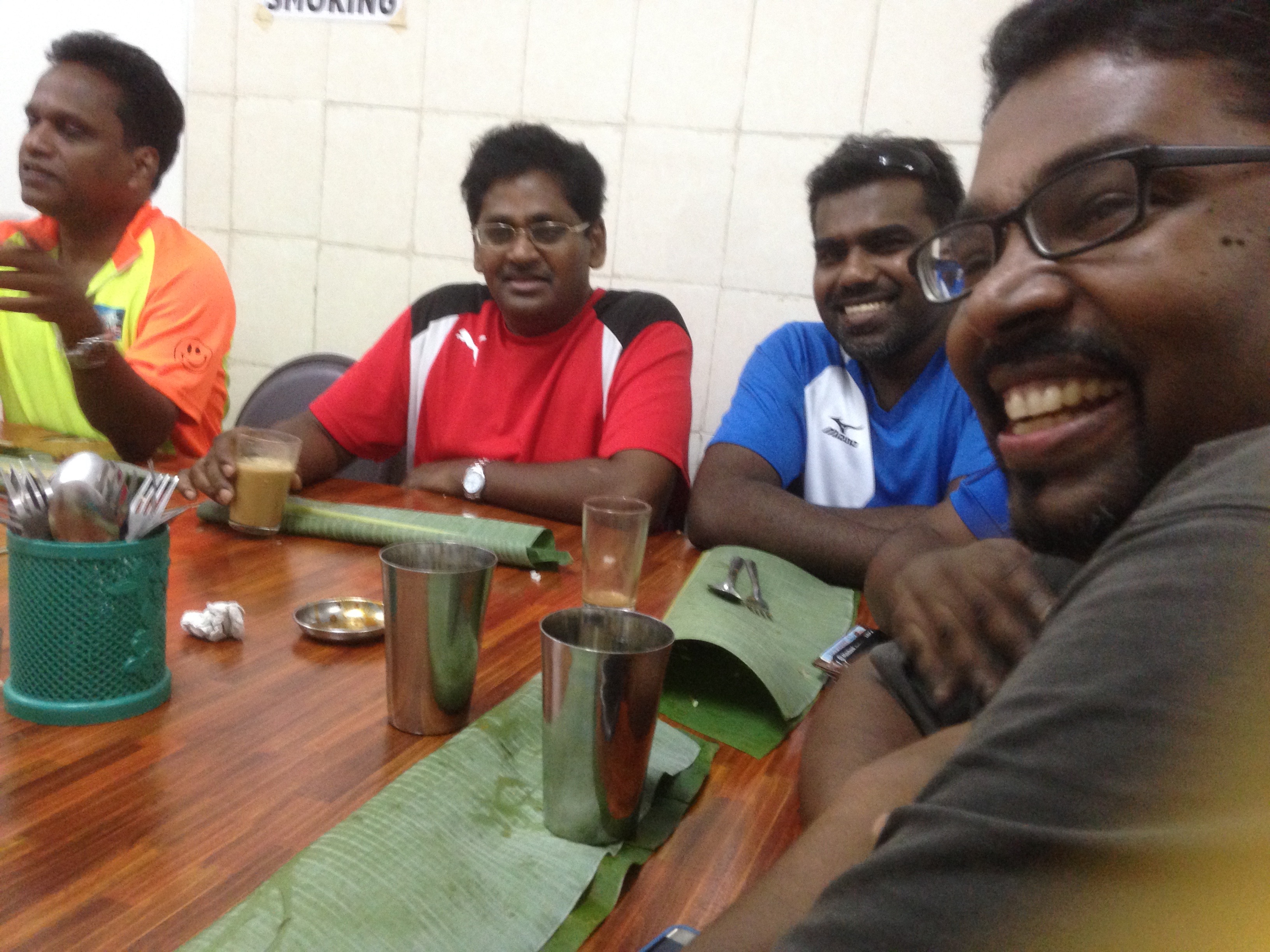
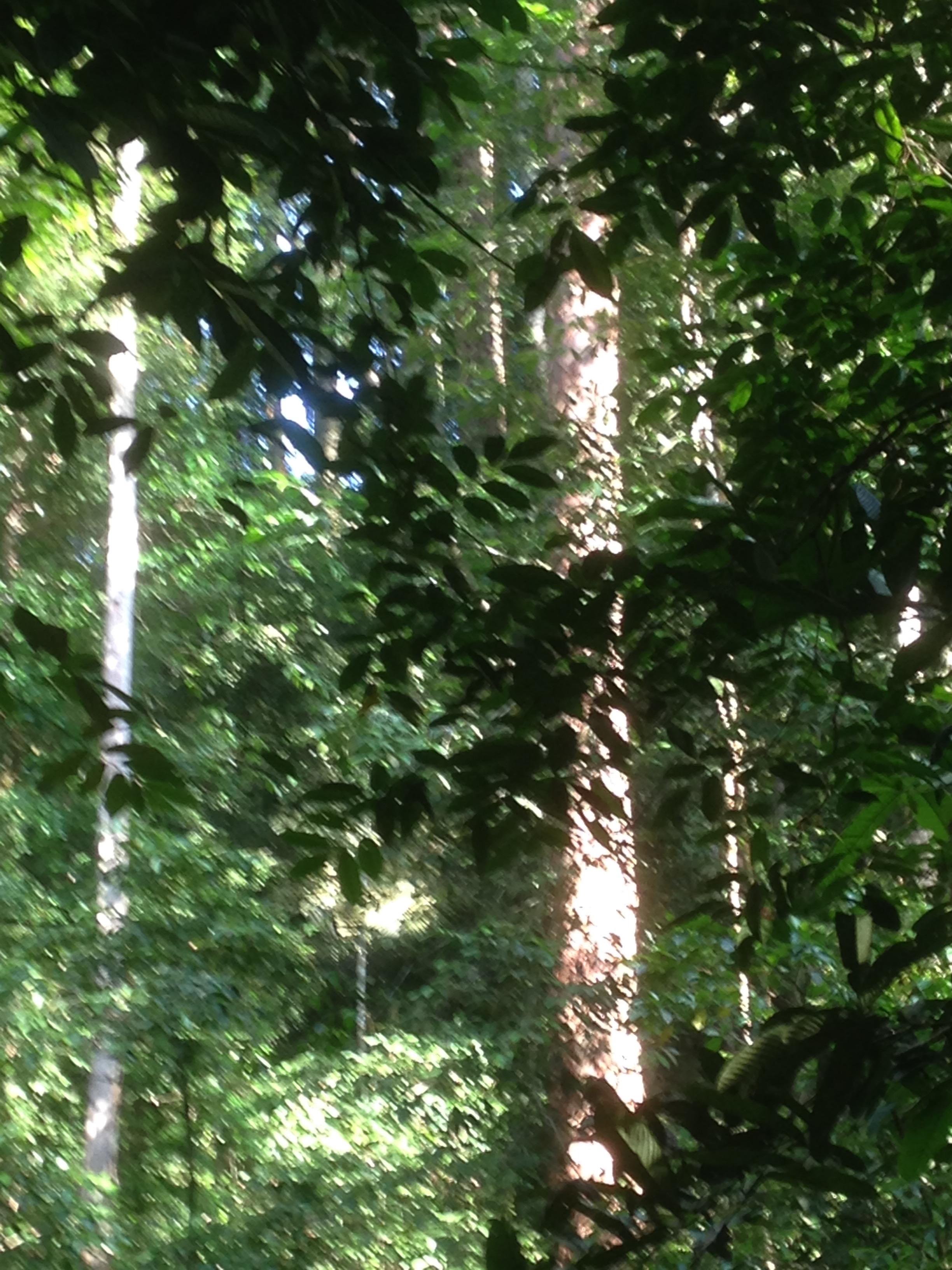
This hike inspired me to take another hike the following day with the “Meetup” group. Here I hit the jackpot. From the moment I stepped into the car until the moment I finished a delicious Indian banana leaf meal, I was in heaven. We bushwhacked; we climbed up and down; we talked; we laughed, and we shared our love of hiking and adventure. This group hikes every weekend and sometimes at night during the week. In October they are going on a trip to ABC trail in Nepal. Is there any doubt that I will go?



My house lies hollow and empty now, with a new septic tank that only cost 500 dollars more than they said it would, and, even though I bought the house for 225,000 dollars when I needed a place to go in 2008, it sold for 179,000, not including the 5,000 in closing costs. As Kurt Vonnegut would say, “and so it goes.”
I sold all of my belongings, including things from before my past. Things that great grandmothers bought for their houses in Lancaster, Long Island, Chilmark, or Buffalo, so that servants would have something to polish or beat the dust out of with a broom. I left my small pots and pans, blankets, trinkets, blenders and coffee makers on the side of the road for someone else to clutter her house with for free. I threw away my fourth grade Captain John Smith report, and the secret club box with an invented language from second grade. Now my past rests in the Peterborough recycling center — tiny pieces of scrunched handwriting, figure skating badges and songs from camp.

By shedding my past, I can start living the next book in my life. A new beginning of bright sunrises, scorching heat, travelling by foot, water or air and adventures in the orient and beyond! All of the people waiting out in the world that I have not met. A new career to carry me along. Writing stories that will shout out to the world. No more having to talk so loud and never be heard. I feel like Belle in her opening song for Beauty and the Beast.
At home things look the same. And the saplings I planted in the back yard 28 years ago are tall enough to block the junkyard neighbors we used to have. The black flies still bite, people go to work and come back again to walk their dogs or mow the lawn. And I am not there dying in my old job, getting tangled up in ownership, landlordship and broken septic systems.
 I am ready to fly to the east and back again a million times. All that I love at home — my friends, my children, my father, nature, and bacon cheeseburgers — will always be within reach. My freedom is lighter than it has ever been before.

In three weeks I go home to sell my house. A breaking point in my journey. Job offers are beginning to come in, which makes me thoughtful and a tiny bit flattered. To all of them, I want to say yes. A job helping teachers teach in Columbia, another job helping American teachers problem solve on-line, another on-line job teaching English at a Vietnamese university. How can I do them all and not leave my job here behind? My ultimate goal is to juggle all of these jobs remotely, which means scaling back on the one I have, which I am not ready to do yet. There is so much to learn. I want to learn how to be an instructional designer, but all of these opportunities would support that as well. Once I opened the door and left ConVal, the world opened up and it is hard not to grab it all up at once.
Expatriate living pulls people like me together. People who do not quite fit into the routine world of one culture. The sensitivity that we have to the logic of the world turns us into introverts in the rat race careers that we hold until we realize this. During my walkabout, I have deep connections with people who, like me, feel as they do not belong in this world. I have always struggled to wrap my mind around what people do and the decisions that they make especially in education.
I do not understand why educators pile students into little slots like pigs for the slaughter and lie to them about their future. School is incomparable to anything they will ever experience when they leave it.


We tell them that they need school, when what they really need to do is hold onto their curiosity and wonder.
 I once taught at a school that everyone considered was a dump. It was in a small factory town where everyone knew everyone else, where some parents did not have teeth, and some did, some students had no parents and were living with friends, some students came from hard-working middle-class families. In my first year, four of my students were pregnant, one probably by a family member. This was a town where the nation had decided to dump its nuclear waste. This was a town with that kind of reputation.
But this was a magical place to teach. This was a place where brainstorming sessions were simple: what do you mean you have nothing to write, one student would say, remember that time your father lost his finger in the logging accident or the time you tried to shoot the deer that hopped over you with a bow, or when your father left you in the woods alone all day to turn you into a man? And the girls had more tender stories to tell about boys, about sneaking out of the house, running away, school, being homeless, under the surface girl stories.

This was a school that solved the chronic scheduling problem that schools have. The reason why so many students sit in classes that they did not sign up for: scheduling. Early in the morning, each teacher would set up a table in the gym with one list for each course that she taught and on it twenty slots for the number of students who could sign up for the class. At 7:35 on the Monday of arena scheduling, the gym doors would open and the seniors would stream in to sign up for an essential course, or a favorite teacher. Students got what they wanted, teachers got students who wanted to be there and all was harmonious. Don’t get me wrong, I had my fair share of classes where six out of the twelve students dropped out the minute they were 16, but if students made it to their senior year, this system worked. The beauty of it was that the students chose who they wanted to teach them and what they wanted to learn.
Ten years later, after four years of being a full-time mother, I taught in a school with a good reputation. It was not a community; it was a farm. Small communities were set up in classes, which dissolved after 18 weeks, never to be formed again. Students were from rich, middle class, poor or no families at all. They were separated economically under the guise of intelligence. Students with disabilities were in one room, emotionally disturbed in another, the middle class took the mediocre classes and the rich took the honors classes. The teachers were segregated by departments. Great teachers and a great principal taught in their own bubbles that rarely touched.
So I gave up because I just couldn’t accept working in isolation. My passion for teaching students to take responsibility for their own critical thinking was too strong. My intolerance for mediocrity was too strong. I was too strong. People wanted to sail, but to me, they were setting off on the Titanic. I got off the boat as it sank — perpetually.
I hung in there for 24 years while the ship kept its bow above the water. And then I set sail for Mexico and then to Malaysia. And it as if the world has opened itself up to me. I can keep my ideas to myself; I can support e-learning, which I think is the answer to education. I can live in the world community and embrace what it gives to me every day.
In the House on Mango Street, by Sandra Cisneros, the three witches tell the protagonist, life’s a circle, you understand. You have to leave in order to come back. The protagonist had to leave the world in which she was stuck, the world in which her cousin’s Cadillac couldn’t escape because the streets were so narrow. Sometimes you need to step out of the cycle to understand it. I am coming to the understanding that my physical journey will take me back to the states, but spiritually, emotionally, maybe my place is just right here with me. Maybe I can be my place. My place, my bliss.

An Online Journal of Literature & Art Published by the Monadnock Writers' Group
Raising a Son with Down Syndrome -Trisomy-21
Stan Dryer fiction short story writing
We live to write and write to live ... professional writers talk about the craft and business of writing
The Web log of Dr. Joseph Suglia
Canvas, Bed Linens, Fridges and the World
Lessons learned from raising a child with Down Syndrome
I Solemnly Swear I Am Up To No Good
Travel. Climbing. Characters. True stories, well told.
An Online Journal of Literature & Art Published by the Monadnock Writers' Group
Raising a Son with Down Syndrome -Trisomy-21
Stan Dryer fiction short story writing
We live to write and write to live ... professional writers talk about the craft and business of writing
The Web log of Dr. Joseph Suglia
Canvas, Bed Linens, Fridges and the World
Lessons learned from raising a child with Down Syndrome
I Solemnly Swear I Am Up To No Good
Travel. Climbing. Characters. True stories, well told.
For the Ones that Matter: Teachers, Students, and Parents
A meeting place for a world of reflective writers.
Focus Hocus Pocus
Reiki | healing | energy | relaxation | meditation | health | wellbeing | aromatherapy | New Zealand | Auckland
Raising a Son with Down Syndrome:Lessons Learned from Raising a Son with Trisomy-21
The more we travel the bigger the world gets
The latest news on WordPress.com and the WordPress community.
Author & Editor
constantly searching for my next adventure
 Expatriate in Kuala Lumpur - a woman's walkabout - Elizabeth Goodhue
Recent Comments